





为什么更新一个促销横幅或上线一个简单的活动着陆页,仍然需要创建一个 Jira 工单、经历为期两周的冲刺周期,并进行预发布审查?
对于许多市场营销负责人而言,这个问题在每次季度评审中都会浮现。你们投入巨资建设数字基础设施,旨在加快响应速度、测试创意并捕捉市场需求。然而,团队却不得不花上好几天时间在工程任务队列中等待,仅仅是为了修复一些小错误或调整布局。
企业敏捷性背后的隐性成本
高增长型企业通常会选择 Drupal,是因为其结构深度和分类法控制功能。这是一个能够很好地处理复杂数据模型的成熟框架。然而,这种技术深度往往会演变成运营瓶颈。当常规的内容更新需要专门的工程干预时,您的营销敏捷性就会受到拖累。
试想一下现代营销部门面临的运营现实。
Gartner 的研究表明,
营销团队仅利用了其营销技术栈全部功能的49%。
造成这种资源利用不足的主要原因在于技术障碍。当日常工具需要定制代码或专业开发人员的监督时,营销团队往往会放弃先进的策略,转而采用效率低下的工作流程。
这一评估并非要否定 Drupal。它是一个令人印象深刻的开源框架,已有数十年的应用历史。真正的问题在于资源分配:您的组织应该投入大量技术资源来维护一个定制的网站框架,还是让团队采用一个专为直接营销执行而构建的集成平台?
要评估 Drupal 与 HubSpot Content Hub 的优劣,必须超越表面功能。这需要对总体拥有成本、团队执行效率、基础设施安全性以及组织的长期发展方向进行清晰的分析。
Drupal 与 HubSpot Content Hub 之间有何区别?
Drupal 是一个开源的、自主托管的内容管理框架,专为复杂的自定义数据结构和开发者驱动的工作流而设计。
HubSpot Content Hub 是一个基于统一客户关系管理(CRM)数据库构建的一体化云托管内容平台,它使营销人员无需编写代码即可创建、个性化和发布内容,同时为开发人员提供现代化的命令行界面(CLI)工具和治理保障机制。
两者的主要区别在于运营依赖性:Drupal 需要持续的软件补丁、服务器维护以及开发人员对常规页面编辑的支持;而 HubSpotContent Hub 将基础设施管理抽象为完全托管的 SaaS 模式,使非技术团队能够直接拥有编辑自主权。
维护的“跑步机”:剖析 Drupal 的真实成本
Drupal 的核心代码是开源的,可以免费下载。然而,每一位 IT 总监和首席营销官都深知,“免费”软件往往伴随着最高的运营成本。
开源的企业网站运作方式与定制赛车颇为相似。它们在经过正确调校后速度极快,但仅为了维持运行,就需要一支全天候待命的专职维修团队。
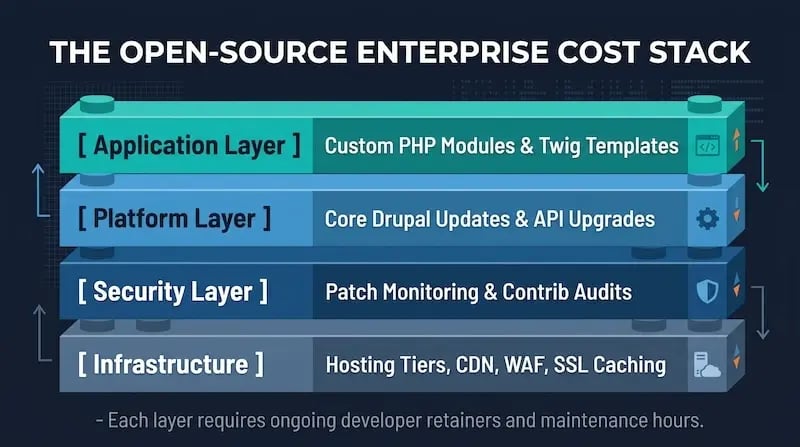
1. 主要版本的弃用与迁移周期
开源平台的架构演进会带来周期性的资本支出。从Drupal 7 等旧版本迁移到现代版本并非简单的打补丁,而是需要彻底重建架构、迁移数据以及重写自定义模块。
即使在现代版本中,升级的“无休止循环”仍在继续。例如,Drupal 10计划于 2026 年底达到生命周期终止。每次主版本过渡都需要规划、技术审计、自定义模块重构以及广泛的回归测试。
这些技术项目将工程人才从核心创收项目中抽调出来。软件工程师本应开发面向客户的产品功能,却不得不花费数周时间审核已弃用的数据库挂钩并更新 PHP 库。
2. 高昂的开发人员保留成本与专业人才短缺
Drupal 需要专业的软件工程知识,特别是在现代 PHP、Symfony 组件以及 Composer 包管理方面。正因如此,开发工时的成本相当高昂。
企业通常通过以下两种方式来满足这一需求:
-
代理机构长期服务合同:每月支付数万美元,仅为确保工程师随时待命,以处理日常维护、模块更新和轻微的布局调整。
-
内部人员配置:招聘全职网页开发人员,其日常工作主要包括影响较小的管理更新、样式微调以及常规插件故障排除。
当您的人才团队将时间耗费在更新代码库和解决数据库问题上时,网站管理便会从增长引擎沦为成本中心。
3. 内容更新速度的瓶颈
当企业营销团队想要推出一项时效性强的营销活动时,会发生什么情况?在典型的 Drupal 环境中,创建一个新颖的页面布局需要:
|
这种多步骤的工作流程 虽然保障了 代码的完整性,却拖慢了营销速度。一个本应在两小时内上线的营销活动,最终却耗时三周。等到着陆页上线时,市场窗口已经缩小,营销活动的势头也已消失。
HubSpot 内容中心:专为营销人员自主性而设计
HubSpot 内容中心彻底改变了这种局面。HubSpot 不再将网站视为一个独立的软件项目,而是将内容视为整体客户获取和留存策略中的一个活跃且高度集成的组成部分。
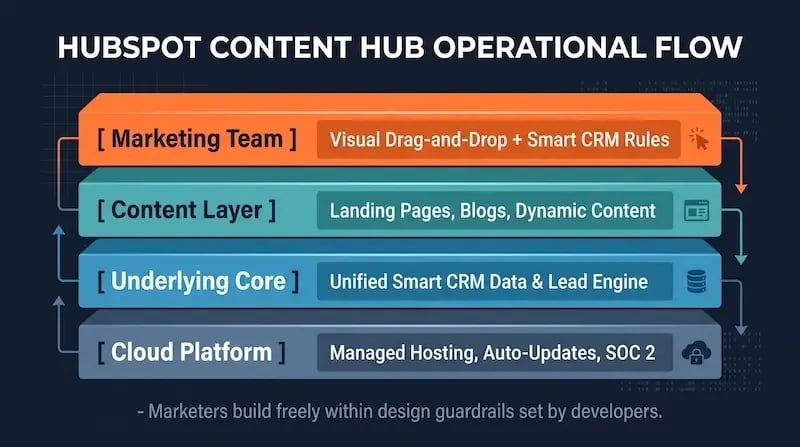 该平台采用模块化架构。开发人员使用标准的 HTML、CSS、JavaScript 以及 HubL(HubSpot 的模板引擎)构建可重用的编码模块。工程师在构建并测试完模块后,会将其移交给营销团队。
从那一刻起,营销人员便拥有完全的编辑控制权。
在品牌规范范围内进行拖放式页面构建
营销人员既不想编写代码,也不想违反品牌规范。Content Hub 通过在预定义的设计系统内提供可视化的拖放式页面编辑功能,平衡了这些需求。
营销团队可以:
-
即时调整页面版块顺序、替换媒体素材,并构建自定义的多栏布局。
-
在全局设计预设中调整内边距、背景样式和排版。
-
无需提交任何开发工单,即可在几分钟内创建并上线新的着陆页。
由于开发人员定义了全局样式表和模块约束,非技术团队成员不会无意中破坏布局或违反品牌标准。营销团队获得了自主权,而工程团队则确保了网站的稳定性。

直接访问第一方 CRM 数据
在开源内容管理系统(CMS)中,基于用户行为对网页内容进行个性化定制通常需要复杂的API集成、第三方中间件以及不稳定的数据库连接。
HubSpot Content Hub 直接构建在 HubSpot Smart CRM 之上。这种原生架构开箱即用,即可实现个性化的客户体验:
-
智能内容规则:根据访客的行业、公司规模、生命周期阶段或过往互动情况,展示不同的行动号召(CTA)、主标题或案例研究。
-
通过 HubDB 实现动态内容:利用直观的电子表格格式界面管理结构化数据(如产品目录、资源中心或团队名录),这些数据会自动填充到动态页面模板中。
-
行为归因:无需安装复杂的跟踪脚本,即可追踪特定内容资产、博客文章和交互式工具如何影响商机生成及已成交收入。
真正的云基础设施,无需服务器维护
由于 HubSpot 作为托管式软件即服务(SaaS)平台运行,因此您内部的工作队列中不再包含任何托管管理任务。无需配置服务器实例,无需平衡数据库集群,也无需在午夜手动安排安全补丁更新。
HubSpot 会自动提供企业级基础设施:
-
全球内容分发网络(CDN)分发,确保全球范围内页面快速渲染。
-
自动化的 Web 应用防火墙 (WAF) 和 DDoS 防护。
-
自动 SSL 证书配置和续期。
-
持续且不影响服务的平台更新,绝不会破坏自定义页面模板。
并列对比:Drupal 与 HubSpot Content Hub
了解这些平台在日常运营中的对比情况,有助于管理层评估其总体拥有成本和工作流效率。
| 战略层面 | Drupal 企业版 | HubSpot Content Hub Enterprise |
|---|---|---|
| 核心架构 | 开源框架;自主托管;代码优先的部署模式。 | 托管式云SaaS;原生CRM;可视化模块化框架。 |
| 发布体验 | 基于表单的内容输入;布局固定;结构更新需要编写代码。 | 可视化拖放页面编辑器;灵活的列布局;实时预览。 |
| 维护与补丁更新 | 手动核心更新、扩展模块审核以及 PHP 版本升级。 | 全托管基础设施;自动更新且无停机时间。 |
| 安全管理 | 必须由专职团队跟踪安全公告、应用补丁并运行WAF。 | 内置企业级安全防护、自动化WAF、SSL及持续监控。 |
| 开发者关注点 | 例行维护、插件兼容性以及低级别的页面更新。 | 战略性设计系统、定制Web应用及API集成。 |
| CRM 与数据集成 | 依赖自定义 webhook、第三方插件或自定义中间件。 | 与HubSpot智能CRM数据及自动化功能深度原生集成。 |
| 个性化引擎 | 需要复杂的自定义脚本或第三方个性化工具。 | 内置智能规则,可动态调整文案、图片、表单和CTA。 |
重新定义开发者的角色
在任何内容管理系统(CMS)评估过程中,一个常见的误解是:放弃开源框架会减少对软件开发人员的需求。实际上,迁移到 HubSpot Content Hub 能将开发人员的作用从被动维护提升到战略性价值创造。
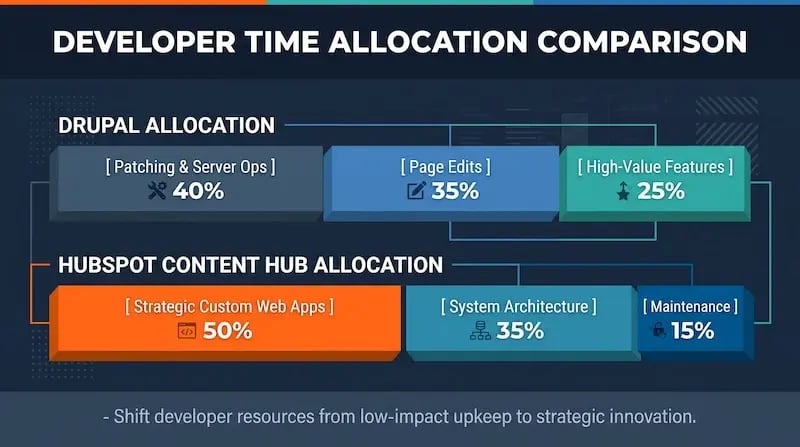
当网页工程师将时间耗费在应用数据库安全补丁、修复着陆页上的 CSS 错误以及调试失效的模块依赖关系上时,他们的人才潜力便未能得到充分发挥。技术娴熟的工程师希望解决复杂的业务问题,而不是构建基础的网页表单。
HubSpot Content Hub 支持现代开发实践:
-
HubSpot CLI 和本地开发:工程师可以使用现代代码编辑器、Git 等版本控制系统以及自动化部署管道在本地编写代码。
-
自定义 React 组件:开发人员可以直接在 HubSpot 内使用标准的 React 框架构建动态、交互式的 Web 应用程序。
-
无服务器函数:工程团队可以构建无服务器端点,以连接专有后端系统、获取动态数据,并安全地执行自定义逻辑。
通过让平台处理常规的基础设施工作,并赋予营销人员直接的发布控制权,工程团队便能专注于那些能真正推动业务发展的项目:构建投资回报率(ROI)计算器、客户门户、交互式工具以及无缝的数据集成。
应对企业安全与治理挑战
当企业组织考虑从开源转向SaaS时,安全性和访问控制始终是首要考虑因素。一些团队认为,自托管Drupal能让他们对数据和应用程序边界拥有更强的控制权。
虽然自主托管确实提供了控制权,但也把100%的运营风险和安全责任都交给了您的内部团队。
Drupal 安全模型
Drupal 拥有一支活跃且专业的安全团队,该团队会定期发现并发布漏洞报告。然而,发现漏洞仅仅是第一步。
您的组织需全权负责:
-
每日监控安全公告。
-
在预发布环境中测试安全补丁,以确保其不会与自定义代码发生冲突。
-
在漏洞披露后数小时内,将紧急补丁部署到所有生产环境中,以防止自动化的零日漏洞利用。
-
保障底层服务器操作系统、Web 服务器软件和数据库层的安全。
如果服务器上存在未打补丁的模块,哪怕只有几天,您的数字足迹仍将处于暴露状态。
HubSpot 企业治理模型
HubSpot在平台层面处理安全问题,通过自动化、主动式的监控,保护全球数十万个网站的安全。
关键的安全与治理组件包括:
-
开箱即用的合规性:HubSpot 保持 SOC 2 Type II 合规性,持有 ISO 27001 认证,并全面遵守GDPR 和 CCPA等全球隐私框架。
-
单点登录(SSO):通过 SAML 2.0 协议,利用 Okta、Azure AD 或 Google Workspace等标准企业身份提供商,确保团队访问的安全性。
-
精细化权限控制:按品牌、部门、地区或角色限制内容访问权限。确保初级编辑可以撰写文案,但无法发布页面或修改设计模板。
-
审计日志与修订历史:通过全面且可搜索的审计日志,追踪每一处版式修改、内容更新及权限变更。只需单击一下,即可恢复任何页面或全局模块的先前版本。
企业治理的宗旨并非增加内容发布的难度,而是建立智能防护机制,使团队能够在规避运营风险的前提下快速推进工作。
评估迁移:保护流量、数据和品牌资产
决定从 Drupal迁移至 HubSpot Content Hub是一项战略决策,需要周密的规划。网站不仅仅是一份数字宣传册;它还是一个自然搜索资产、潜在客户生成引擎,以及您品牌权威的核心枢纽。
一次成功的企业级迁移应遵循以下 一套结构化、循序渐进的路线图,旨在保障性能。
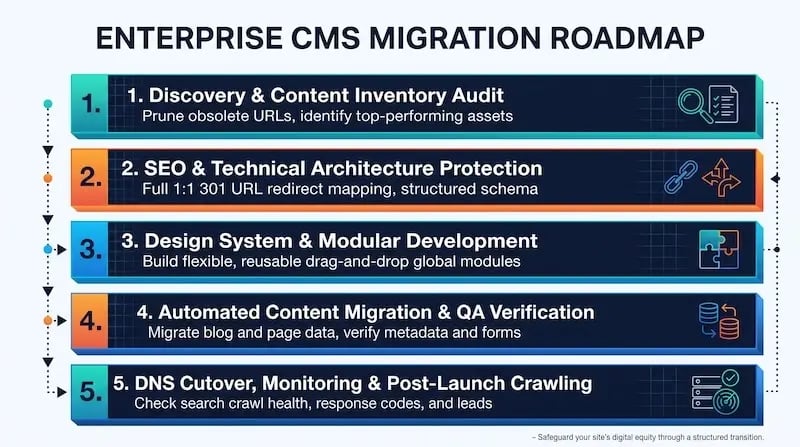 1. 进行全面的内容审核
切勿迁移未经整理的网站。从 Drupal 迁移正是清理过时、表现不佳和冗余内容的绝佳机会。
分析您的分析数据,以识别:
-
能够带来稳定搜索流量和转化率的高效自然搜索页面。
-
过时的资源、已下架的产品页面以及流量较低的博客文章,这些内容可以安全地归档或合并。
-
应简化复杂的分类体系和类别结构,以提供更简洁的用户体验。
2. 保护自然搜索权益和技术 SEO
在任何网站迁移过程中,最大的担忧就是失去自然搜索排名。在进行任何 DNS 更改之前,应通过周密的准备来降低这一风险。
-
1:1 URL 重定向映射:对所有活跃的 Drupal URL 进行全面盘点,并通过永久性 301 重定向将其直接映射到 HubSpot 上的确切目标页面。避免将大量页面重定向至首页,因为搜索引擎会将此行为标记为违规,并通过降低排名信号进行惩罚。
-
保留页面 SEO 元素:确保页面标题、元描述、规范标签、Open Graph 标签以及标题结构能准确迁移到新模板中。
-
保留结构化数据:在 HubSpot 的全局页面头部中,为组织、文章和产品重新创建 JSON-LD 架构标记。
3. 构建可持续的设计系统
不要简单地将旧网站像素级地复制到静态模板中。相反,应利用此次迁移建立一个简洁、基于组件的设计系统。
通过构建多功能的通用模块——例如内容卡片、客户评价轮播、动态价格表和交互式资源网格——您可以为营销团队配备一套灵活的工具包,支持未来数年内持续创建新页面。
现在是时候进行转型了吗?
平台迁移需要时间、有针对性的投入以及管理层的共识。您如何判断组织是否已经超出了当前 Drupal 框架的承载能力?
如果出现以下情况,您的团队很可能已经准备好迁移到现代化平台:
-
如果非技术背景的营销团队无法在不提交工程工单的情况下发布新的营销活动页面。
-
您每月支付给代理机构的固定费用几乎都耗费在基础更新、常规安全维护和主机管理上。
-
您的网站数据与 CRM 系统相互隔离,导致无法实现个性化的客户旅程和清晰的收入归因。
-
即将到来的 Drupal 核心升级迫使您不得不考虑进行耗时且昂贵的代码重写。
-
您创建一个页面的平均耗时以周为单位,而非以小时为单位。
当您的数字体验平台所需的维护成本超过其带来的商业价值时,继续沿用旧有架构便成为一种代价高昂的妥协。
借助“Aspiration Marketing”释放增长潜力
从开源的 Drupal 构建环境过渡到精简的 HubSpot 内容中心环境,并不意味着要牺牲企业级性能或开发灵活性。这意味着将合适的能力交到合适的人手中。
您的开发人员将摆脱日常维护的束缚,专注于构建具有影响力的网络应用程序;而您的营销团队则能获得所需的自主权,顺畅地执行营销活动。
要实现这种无缝过渡,需要一位既精通复杂技术架构,又了解现代营收运营的经验丰富的合作伙伴。
Aspiration Marketing是 HubSpot 的精英级解决方案合作伙伴,专精于高风险的企业级迁移项目。我们帮助具有前瞻性的组织从 Drupal 顺利迁移至 HubSpot Content Hub,同时确保搜索排名、数据完整性及日常业务运营不受影响。
我们的迁移框架涵盖了整个流程的每个阶段:
-
严格的 SEO 保护:全面的 301 重定向映射、元数据保留以及技术审计,确保您的自然搜索可见性从第一天起就得到保障。
-
定制化模块化架构:我们设计灵活的定制化设计系统,使您的营销人员能够轻松构建符合品牌风格的页面,同时保持代码的简洁性。
-
统一的 CRM 对接:我们将您的网站直接与客户数据连接,实现智能个性化、闭环归因和自动化潜在客户分流。
您准备好消除开发瓶颈,将企业网站转变为推动增长的敏捷引擎了吗?
立即联系Aspiration Marketing 团队,预约企业级 CMS 迁移评估。我们将分析您当前的平台架构,审查运营成本,并为您制定清晰、可预见的 HubSpot Content Hub 迁移路线图。







发表评论
对这篇文章有什么看法吗?
分享您的反馈、提出问题,或与我们的社区一起参与讨论。